Fibre first, then the cloth plan.
Vardhman — From yarn brief to agreed sample
Discuss your fabric requirements- Name the fibre
- Read the construction
- Hold the sample
Fibre first, then the cloth plan.
A yarn count and a cloth GSM answer different questions. Keep the target beside the evidence you actually have.
| Field | Target question | Evidence question |
|---|---|---|
| Composition | Name cotton, wool, or another declared blend | Ask which declaration covers this reference |
| GSM | Set a cloth mass target and tolerance | Note the specimen and the method |
| Usable width | Separate cuttable cloth from selvedge | Confirm the width on the roll being discussed |
| Finish | Describe the treatment on the apparel cloth | Check whether the sample still carries that finish |
A file example, not a measured result: a shirting target of 145 g/m² with a usable width of 147 cm, and a separate yarn line of 20 tex rather than a second GSM figure. Ask whether a later colourfastness or dimensional-stability note names its method, and whether the specimen was held near 20 °C and 65 % relative humidity. Goods described as stock still need the lot, the shade, and the date that availability was checked. A custom development keeps the sample, the trial, and any bulk approval as separate gates. Neither path shows that this site holds inventory or a laboratory report.
| Use context | Question | Evidence to discuss |
|---|---|---|
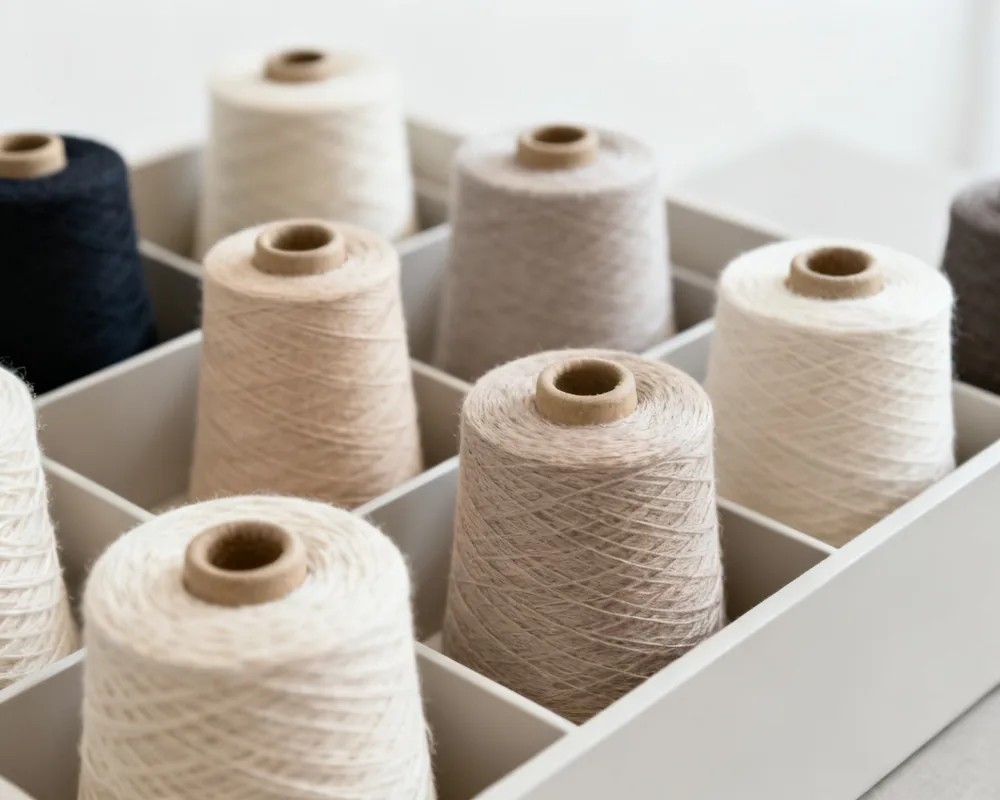
| Yarn for knitting or weaving | Which count, ply, and package form matter? | A cone or package label plus a fibre note |
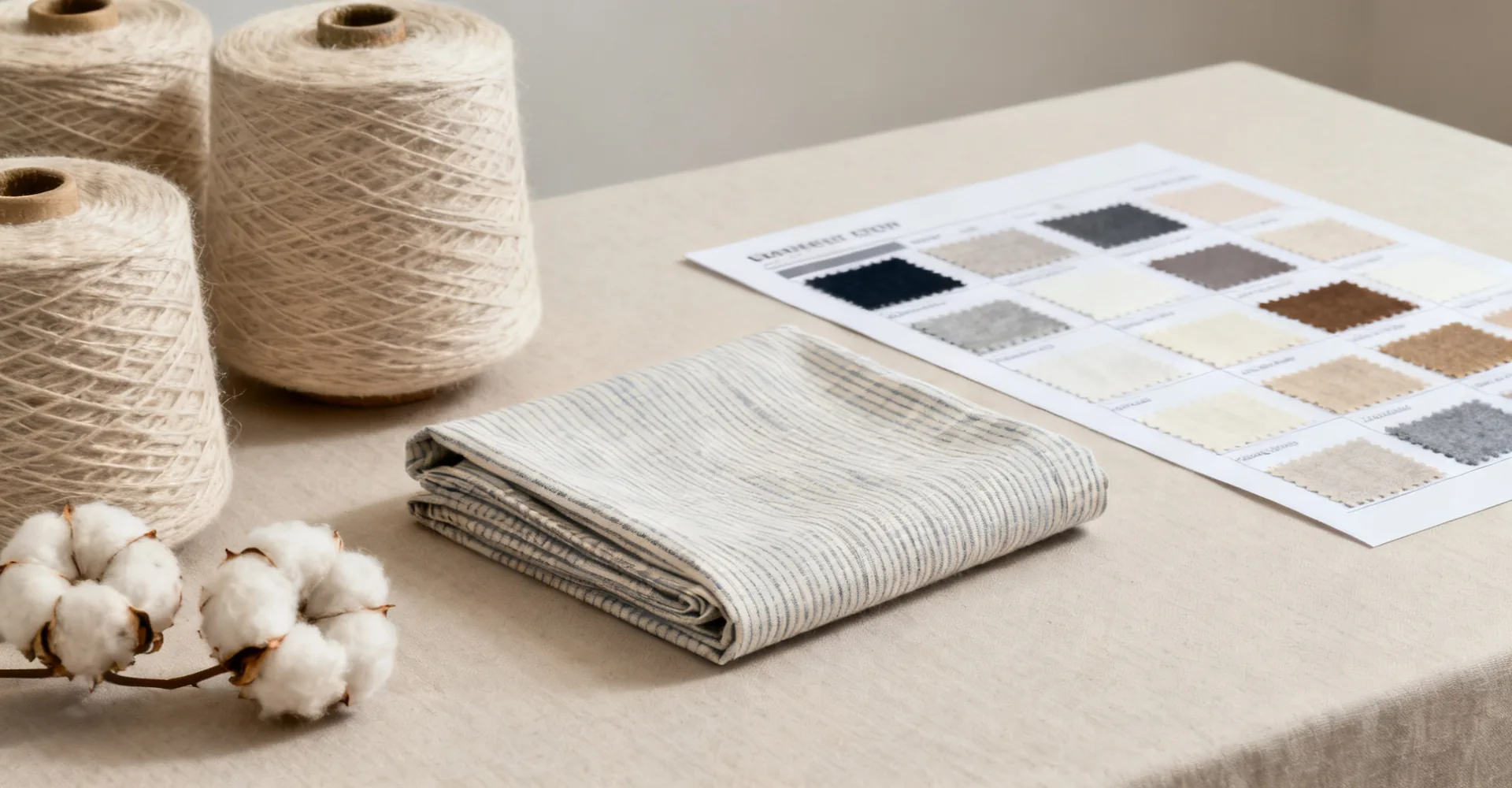
| Shirting and suiting cloth | What hand and shade should the sample show? | A physical swatch and the light used for review |
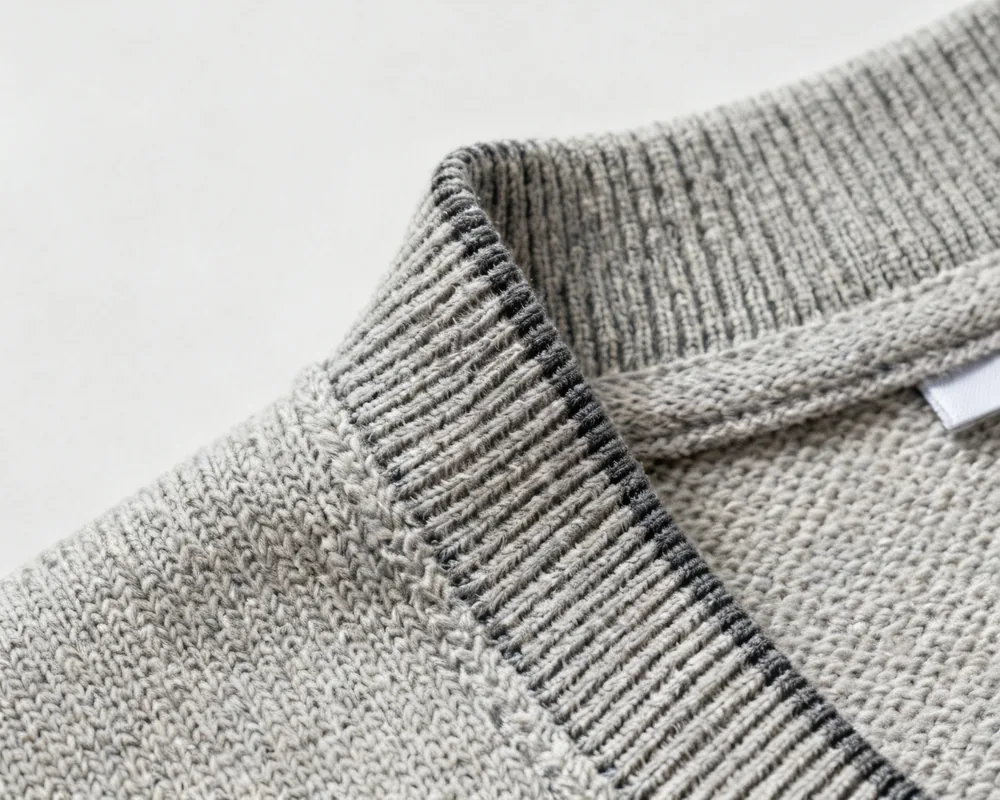
| Cut and sew assembly | How wide is the usable cloth? | Construction, selvedge, and the sewing route |
Cloth mass does not name fibre, yarn count, twist, or package. If the enquiry starts with yarn, write linear density in dtex, denier, or a stated count system, and keep that unit separate from grams per square metre on a finished cloth.
Attach a date, the fibre or blend you believe is present, the construction if it is already cloth, the shade reference, and the garment or fabric use. A sample request records what you want reviewed. It does not confirm that a cone, hank, or roll is in stock.
Line them up only when the method, the specimen state, and the report scope match. Colourfastness, pilling, and dimensional stability describe different behaviours, and a yarn strength figure does not stand in for a cloth tear result.